Leadership Team
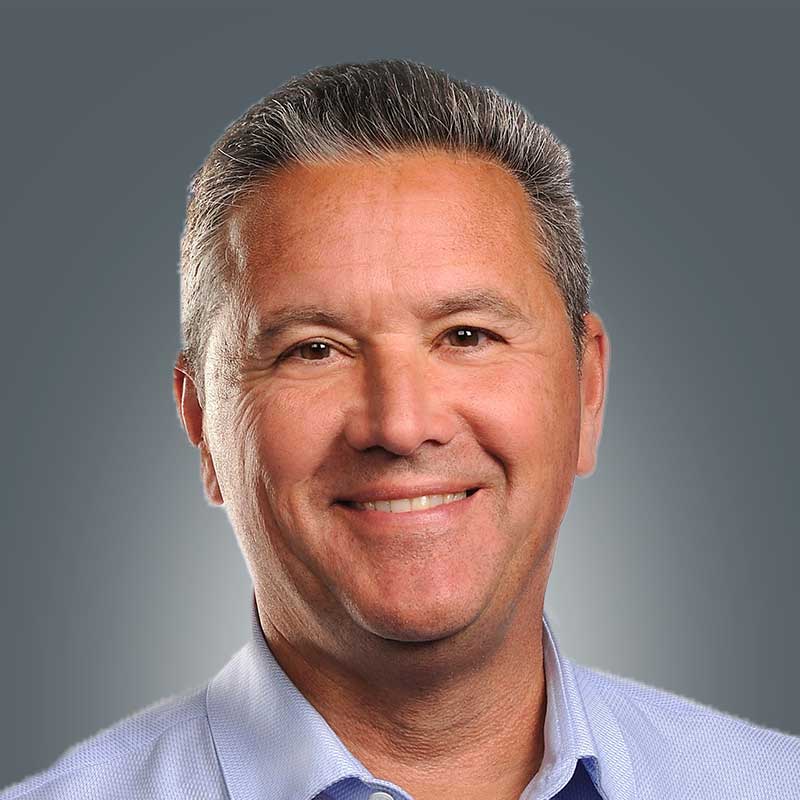
Jerry Cacia joined Link Cell Therapy in November 2023 as the Chief Operating Officer. In his prior role, Jerry served as the Chief Technical Officer at Graphite Bio. In this role, he built the CMC function that developed and delivered Graphite’s autologous gene-edited stem cell treatment for Sickle Cell disease to the clinic.
Prior to joining Graphite, Jerry was with Genentech and Roche for over 32 years. During his tenure, he held various senior leadership positions across the CMC disciplines, including technical development, manufacturing, and quality. In his most recent position, Jerry served as head of global technical development at Roche during which time he supported a pipeline that included over 80 new molecular entities across multiple modalities, and more than 100 projects in various stages of development.
Jerry holds a BA degree in Biological Sciences from the University of California at Santa Cruz.
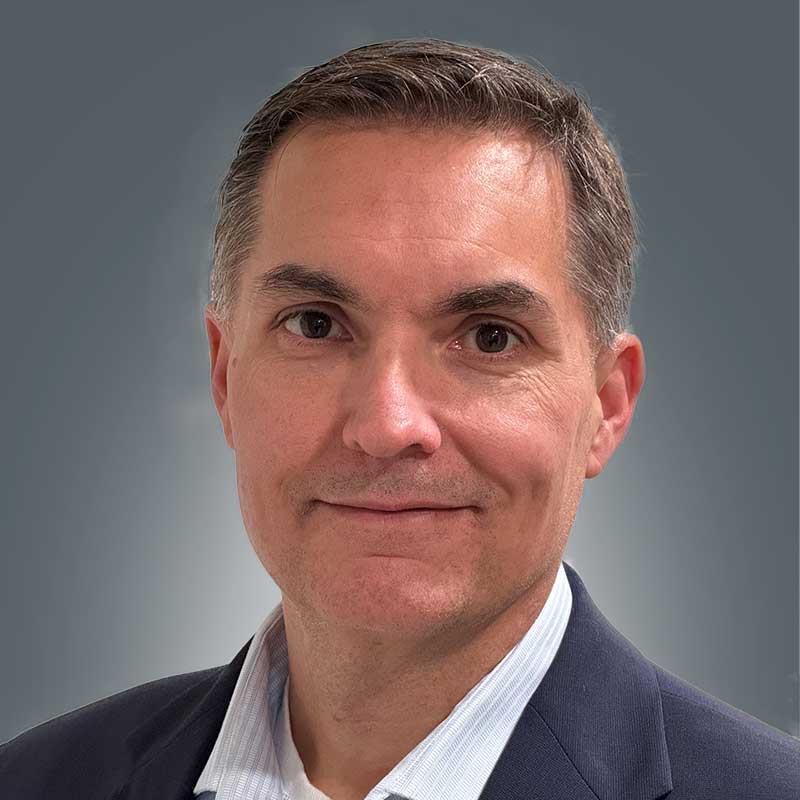
Mark Wallet joined Link Cell Therapies in October 2024 as the Chief Scientific Officer. In his prior role, Mark was VP, Head of Immuno-oncology at Century Therapeutics. In this role, he led pre-clinical development of gene-edited iPSC-derived CAR-NK and CAR-T cell therapies for cancer.
Prior to joining Century, Mark assembled and led the translational science team at Fate Therapeutics where he gained experience in allogenic donor-derived NK cell therapies and iPSC-derived cell therapies for cancer. Through his experience at Fate and Century, Mark has contributed to multiple successful first-in-human INDs including genetically engineered cell therapy products containing up to six genetic modifications.
Before joining the biotech field, Mark was Principal Investigator as a faculty member at the University of Florida in the Department of Pathology, Immunology, and Laboratory Medicine. He holds a Ph.D. degree in Microbiology and Immunology from the University of North Carolina at Chapel Hill.
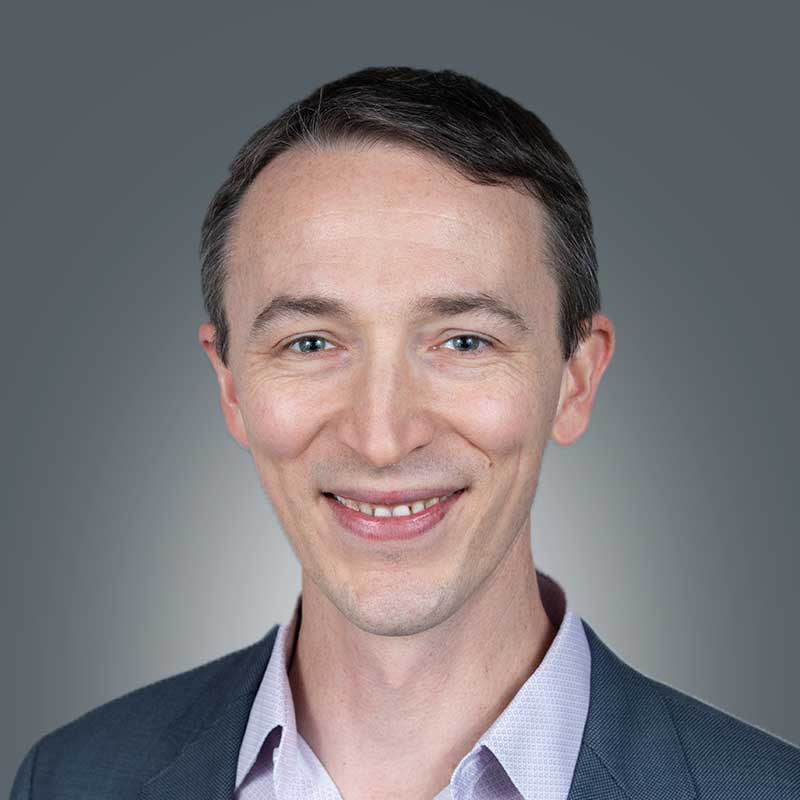
Alex Bankovich, Ph.D. is Vice President of Research and Development at Link Cell Therapies. Following his academic training, Alex joined Stemcentrx in 2010 as the staff biochemist and biophysicist support antibody discovery. Alex helped build and lead a pipeline assessing the therapeutic viability of 150 novel targets in multiple solid tumor indications with antibody drug conjugates. Following the acquisition of Stemcentrx by AbbVie in 2016, Alex coordinated multi-functional and cross-site collaborations on diverse oncology initiatives. He held a leadership role in antibody drug conjugate development from target selection through early clinical studies.
Alex obtained his B.S. in Chemistry (Biochemistry specialization) Cum laude from The University of Virginia. He obtained his Ph.D. from Stanford University, working in the laboratory of K. Chris Garcia on the structure biology of adaptive immune receptors and cytokines. He then pursued post-doctoral work with Jason Cyster on S1P receptor biology and biochemical interaction with CD69.
Alex has co-authored 25 scientific publications and is an inventor on 3 patents.
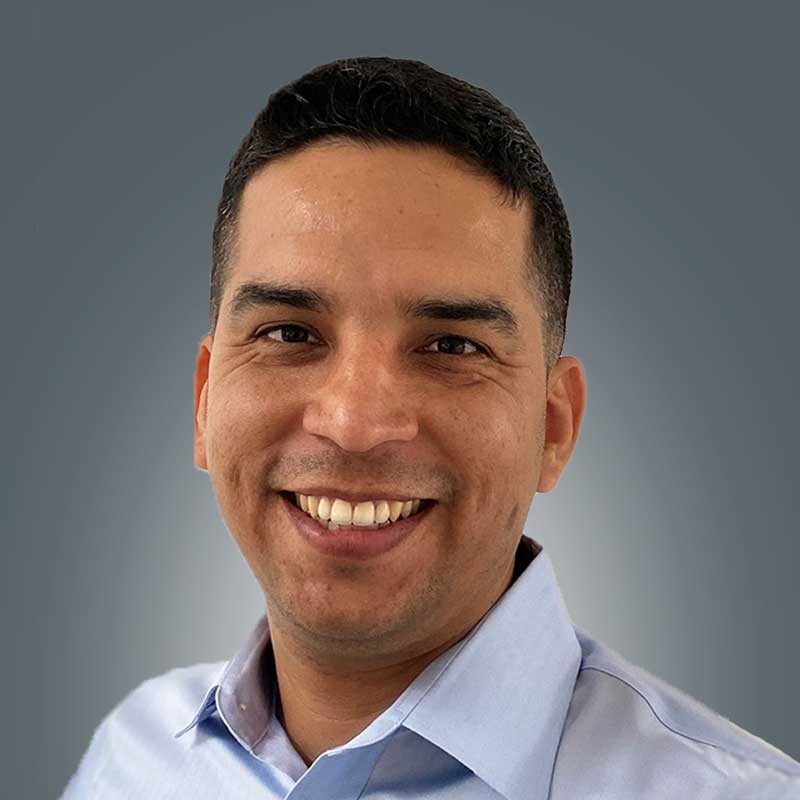
Diego Vargas, Ph.D. is Vice President of Cell Therapy at Link Cell Therapies. After his academic training Diego worked at Pfizer and Allogene, where he and his team developed Potency Enhancements for Allogeneic CAR T cell Therapies. After Allogene, Diego joined Serotiny, a Bay Area startup focusing on high-throughput library-based optimization of Cell and Gene Therapies. At Serotiny, Diego led the Research Team which validated the company’s platform and supported the signing of strategic external partnerships with Tessera Therapeutics and Janssen Pharmaceuticals.
Diego obtained his B.S. in Biology (Immunology specialization) from Universidad Peruana Cayetano Heredia in Lima, Peru. He then obtained his Ph.D. from The University of Texas Medical Branch, studying the immune response to the intracellular parasite Leishmania. Diego then pursued post-doctoral training in the Vaccine Branch of the National Cancer Institute where he developed novel HIV vaccines based on adenoviral vectors. He then became a Staff Scientist in the Laboratory of Viral Diseases at the National Institute of Allergy and Infectious Diseases where he worked on developing CAR T cells to eradicate HIV infection.
Diego has co-authored 37 scientific publications and is an inventor on 3 patent applications.
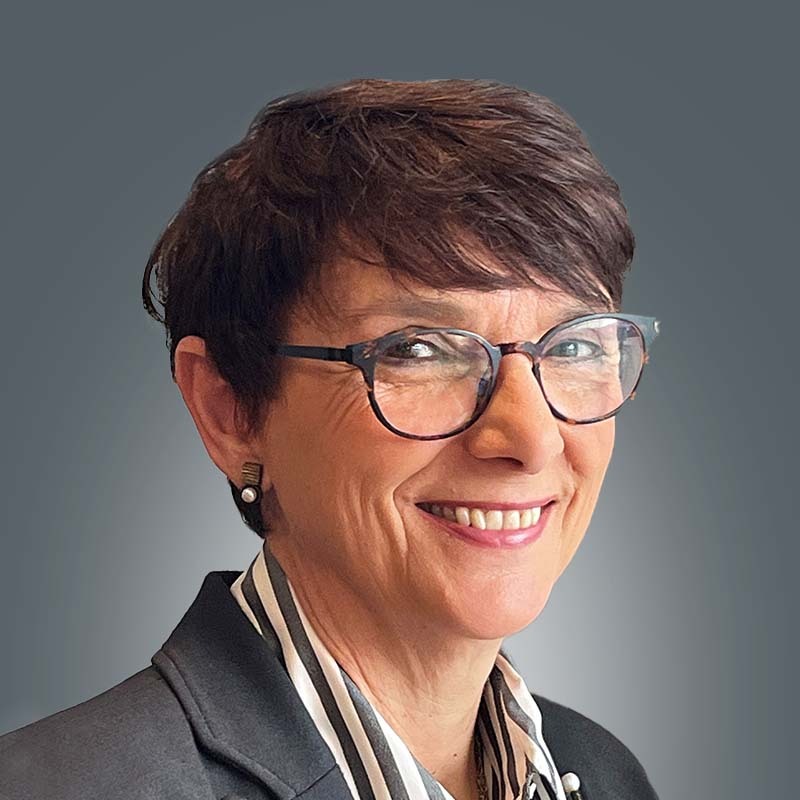
Angeles Estellés, Ph.D. is a Director and leads Protein Sciences in the Preclinical group at Link Cell Therapies. She has over 20 years of experience in antibody discovery and development for diverse clinical applications. During her tenure at Trellis Bioscience and under her leadership, a monoclonal antibody disrupting bacterial biofilms was discovered from human blood. This monoclonal antibody, TRL1068, is currently in a Phase I trial for treatment of prosthetic joint infections. She also worked on designing and testing nanoparticles, both cell-derived and synthetic, for targeted delivery of therapeutic agents.
Angeles obtained her B.S. in Pharmacy from the University of Valencia, Spain, and her Ph.D. from the University of Alicante, also in Spain. She then pursued post-doctoral training at the Mass General Hospital, Collège de France (Paris), and Stanford University.
Angeles has co-authored more than 15 scientific publications and is an inventor on 10 patents.

Regina Lin, Ph.D. is Associate Director of Cell Therapy at Link Cell Therapies. Following her academic training, Regina worked at Pfizer and Allogene to engineer CAR T cells with enhanced potency and persistence. These included the design and characterization of novel constitutively-active and inducible chimeric cytokine receptors, which culminated in the clinical development of Allogene’s first TurboCARTM program, ALLO-605. After Allogene, Regina joined Harpoon Therapeutics, where she helped develop next-generation T cell engagers with improved safety and efficacy.
Regina obtained her B.S. in Life Sciences (Biomedical Science specialization) from the National University of Singapore. She then obtained her Ph.D. from the Department of Immunology at Duke University School of Medicine, where she investigated microRNA-mediated modulation of adoptively transferred T cell therapies. She then pursued post-doctoral training at Pfizer’s CAR T Cell group, where she worked on strategies to overcome solid tumor immune-suppression.
Regina has co-authored 10 scientific publications and is an inventor on 5 patents.

Bryan Smith, Ph.D. is an Associate Director and leads target discovery at Link Cell Therapies. He has over 10 years of experience in discovery oncology with a focus on identifying target antigens for immune-based therapeutics. Bryan previously worked at Arsenal Bio, where he drove efforts to define and characterize solid tumor target pairs for logic-gated cell therapies. Prior to Arsenal Bio, Bryan supported the development of allogeneic CAR T cells against novel solid tumor targets at Allogene Therapeutics.
Bryan obtained his B.A. in Biochemistry from DePauw University. He holds a Ph.D. from the University of Notre Dame, where he conducted research on in vivo detection of cell death using synthetic coordination complexes. He then pursued post-doctoral training with Owen Witte at UCLA on establishing new therapeutic targets for advanced epithelial cancers.
Bryan has co-authored 23 scientific publications and has received several awards and fellowships including a Prostate Cancer Foundation Young Investigator Award and American Cancer Society Postdoctoral Fellowship.